Ballistic Plates: NIJ III, III+ and Level IV Hard Armour
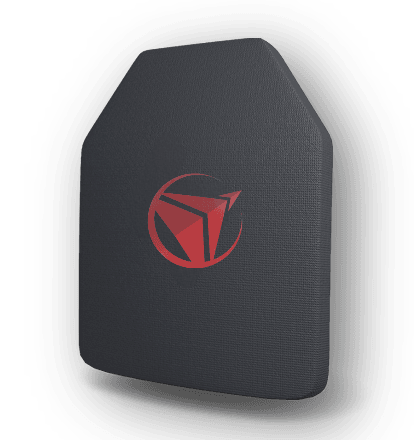
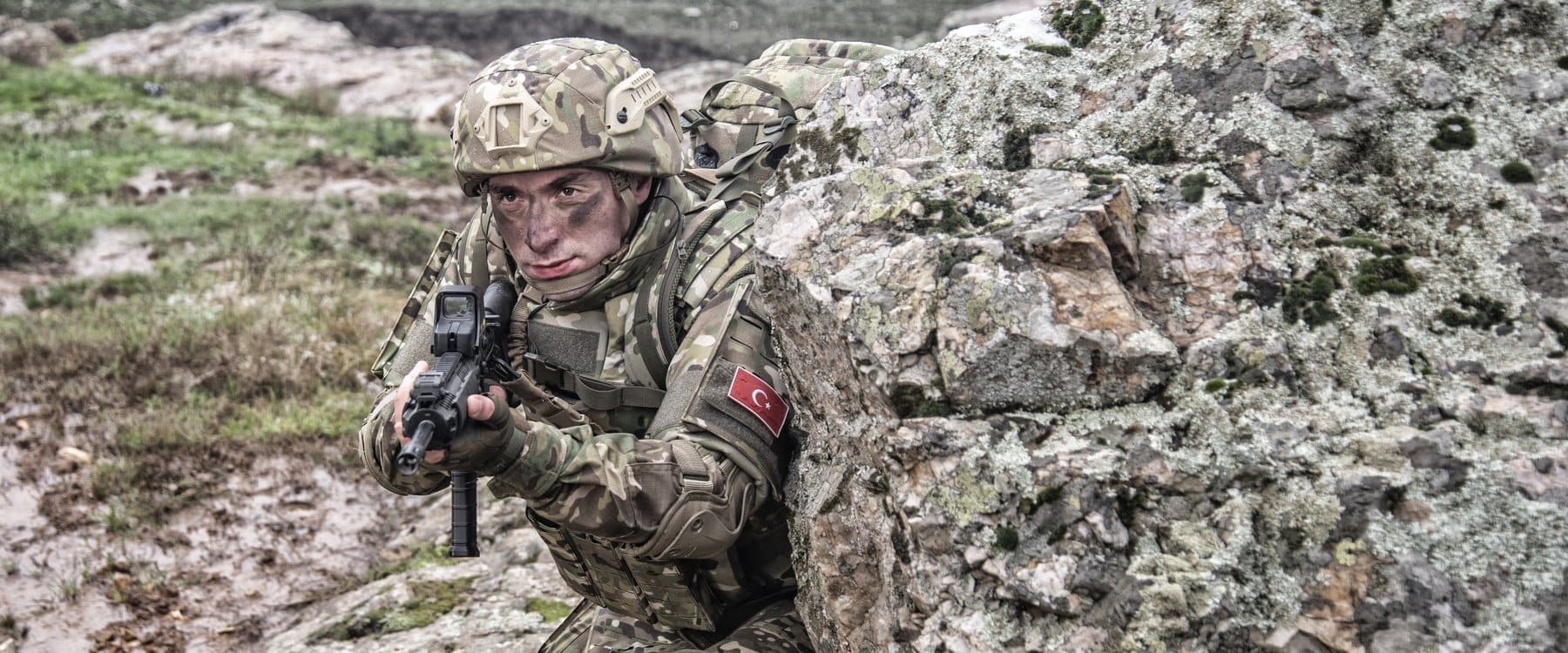
Hard ballistic plates (armour plates) are carried in a ballistic vest or plate carrier against rifle threats. The family has three plates, NIJ III, III+ and Level IV (NIJ IV), weighing 2.4–2.6 kg.
- NIJ III – IV
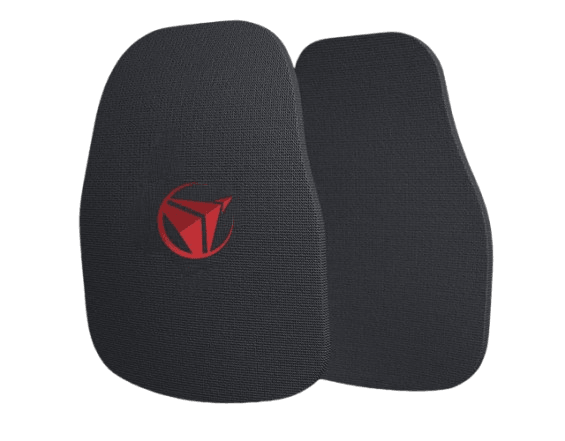
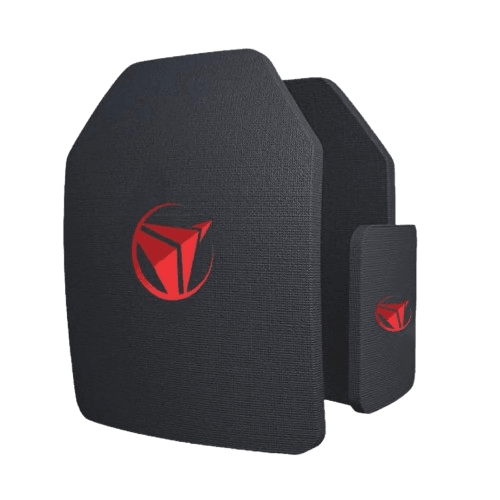
Plate types and use
HardPlate III is a ballistic plate with a ceramic strike face: NIJ III, 2.4 kg. HardPlate III+ is listed as multi-hit capable: 2.5 kg. HardPlate L-IV is a stand-alone Level IV plate made of SiC ceramic and UHMWPE: NIJ IV, 2.6 kg.
Hard plates are carried in the front and back pockets of a ballistic vest or plate carrier. They are also searched for as "body armour plates" or "chest plates"; our family consists of ceramic and composite plates.
How to choose a ballistic plate
- Threat: NIJ III is defined against the 7.62×51 mm M80 rifle round; Level IV (NIJ IV) against the .30-06 M2 armour-piercing round. III+ is not an official NIJ level.
- Stand-alone or in conjunction: HardPlate L-IV is listed as a stand-alone plate. For the other plates, use with soft armour is stated in the quotation.
- Weight: the plates weigh 2.4–2.6 kg; consider mission length and the total load carried.
- Size and cut: plate size and cut are set in the quotation to suit your carrier.
- Documents: the binding document for a model's level is that model's test report; it should state the level and the test rounds.
Materials: ceramic, polyethylene (UHMWPE) and steel
Ballistic plates are mostly made from three material families: a ceramic face (alumina, silicon carbide or boron carbide) with a composite backing, all-polyethylene (UHMWPE), and steel. The ceramic face breaks and erodes the bullet while the backing catches the fragments; this build is common in Level IV plates, which are defined against an armour-piercing round. Polyethylene plates are light but thicker for the same level; steel plates are thin and economical but heavy and need a coating against spall. Two models in our family have a ceramic face; the materials are compared in our ballistic plate guide.
Cut, curve and size
In the industry, plates are made in cuts such as SAPI, shooter's cut and swimmer cut, and can be flat, single-curve or multi-curve. The cut balances coverage against arm movement; the curve helps the plate sit on the body. The size and cut of our plates are set in the quotation to suit the carrier. Cuts and the military size table are explained in our plate guide.
Plate carrier and vest fit
In a plate carrier, rifle protection comes from the plate; the carrier holds it in the right place. The pocket's size and depth must match the plate's dimensions, cut and thickness. The plate weight (2.4–2.6 kg in our family) adds to the weight of the vest and attached equipment; our MOLLE plate carrier and modular vests are on the ballistic vests page.
Compare the models
| Model | Type | Protection | Weight |
|---|---|---|---|
| HardPlate L-IV | SiC+UHMWPE Stand-Alone | NIJ IV | 2.6 kg |
| HardPlate III | Ceramic Strike Face | NIJ III | 2.4 kg |
| HardPlate III+ | Multi-Hit Capable | NIJ III+ | 2.5 kg |
Frequently asked questions
What is a Level IV plate?
It is the highest level in NIJ 0101.06 (Level IV), tested in the standard with the .30-06 M2 armour-piercing round. In our family, HardPlate L-IV is at this level.
Is III+ an official NIJ level?
No. III+ is an industry term; the additional rounds a product was tested against must be stated in its own test report.
What does stand-alone mean?
A stand-alone plate reaches its stated level without a soft armour panel behind it. An in-conjunction plate reaches that level only together with a specific soft panel.
Are body armour plates and ballistic plates the same?
Yes, both mean the hard ballistic plate that goes into the pocket of a vest or plate carrier. Vest and plate compatibility is defined in the quotation.
How much does a Level IV plate weigh?
Weight depends on the plate's material, size and cut. Our Level IV plate, HardPlate L-IV, is listed at 2.6 kg in our product data.
Ceramic or steel plates?
Ceramic plates are usually lighter at the same level and are common against armour-piercing threats; steel plates are thin and economical but heavy. A detailed comparison is in our ballistic plate guide.
- NIJ IVballistic protection up to this level
- STANAG 4569NATO platform armour levels
- 25product models
- 28–85 kg/m²platform armour areal density
Need a mission-specific configuration?
Share your threat level, weight target and use case; our engineering team will propose the right configuration.